
Women of reproductive age represent a critical population whose health and well-being directly shape the health of future generations. In Jaffna, Northern Province of Sri Lanka, this population faces a complex burden of maternal, reproductive, menstrual, and mental health challenges, compounded by the region’s history of civil conflict, limited healthcare access, and persistent socioeconomic vulnerabilities. Despite existing maternal and child health services, there remains a significant gap in community level evidence on the health and well-being needs of women in this region. It is within this context that the present study is being conducted, to generate the evidence needed to inform targeted, community responsive health programmes and policies for women of reproductive age in Jaffna.
A community health and well-being needs assessment is currently underway among women of reproductive age in selected Medical Officer of Health (MOH) areas in Jaffna, Sri Lanka. The study is being carried out by the Centre for Digital Epidemiology, Faculty of Medicine, University of Jaffna, in collaboration with the University of Saskatchewan, Canada, under the Global Innovation Fund, led by Dr. P. A. Dinesh Coonghe, with the collaboration of Prof. Nazeem Muhajarine, Prof. R. Surenthirakumaran and Prof. Khrisha Alphonsus. Using a descriptive cross sectional study design, the study aims to describe the maternal and reproductive health, menstrual health, and mental health needs of women across selected MOH areas. Ethical approval has been obtained from both the Ethics Review Committee, University of Jaffna, and the University of Saskatchewan Ethics Review Board, and a Memorandum of Understanding has been signed by both institutions.
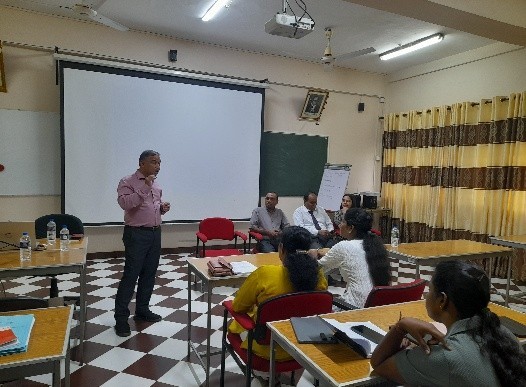
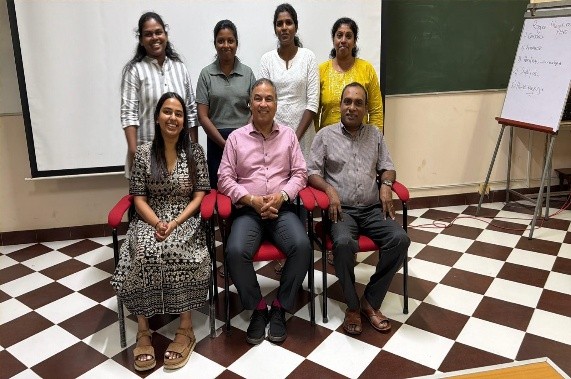
As part of the ongoing Community Health and Well-being Needs Assessment among Women of Reproductive Age in selected MOH (Medical Officer of Health) areas in Jaffna, Sri Lanka, a dedicated training session was held on 3rd January 2026 for the field data collectors who will carry out this important survey.
The session brought together a strong team of researchers and field staff:
What the Training Covered?
The session followed a structured protocol designed to equip data collectors with the knowledge and practical skills needed for ethical, accurate, and culturally sensitive data collection.
Key areas included:
The training concluded with a knowledge assessment quiz and role-play evaluation, ensuring each data collector demonstrated readiness to begin fieldwork with confidence and competence.