- Home
- Staff
- Resources
- Research
- Collaborations
- Outreach Activity
- Jaffna Healthy City
- This Is Public Health Jaffna
- Field Health Activity
- 43rd Batch
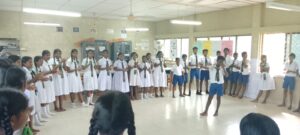
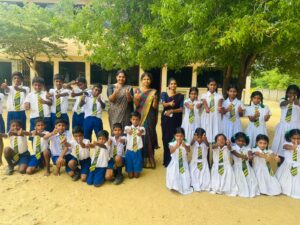
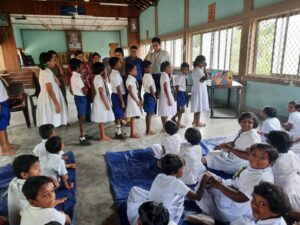
- Capacity Building on First Aid Practices in Schools in The Nallur Division
- Creating Awareness on the Health Consequences of Consuming Sugary Soft Drinks at Jaffna Kokuvil Hindu College
- Developing A Health-Conscious, Environmentally Friendly, and Student-Oriented Study Atmosphere within the Students’ Wellbeing Center
- Developing Soft Skills among Students at Columbuthurai St. Joseph’s Vidhiyalayam
- Enhancing Sexual Health Awareness for the Prevention of Sexually Transmitted Infections (STI) at the University of Jaffna
- Implementing Zero Plastic Practices in Office Settings in Jaffna
- Improving Waste Management Practices at the Faculty of Medicine, University of Jaffna
- “Medinourish”: Empowering Souls of Medical Students – An Activity to Improve Nutrition among Jaffna Medical Students
- Promoting Gardening Practices and Healthy Food Habits in Schools in the Jaffna Municipal Council Area
- Promoting Occupational Health among Sanitary Workers at the Jaffna Municipal Council
- Promoting Organic Pesticide and Compost Production among School Students in the Nallur MOH Educational Division
- Promoting Sexual and Reproductive Health and Nutritional Wellbeing at Schools in Navanthurai
- Raising Awareness on Cyberviolence in Schools in Jaffna
- Raising Awareness on Non-Communicable Diseases at the Faculty of Medicine
- 44th Batch
- Visionary Committee Formation
- Plastic Zero Banks Workshops at National Saving Bank
- Plastic Zero Banks Workshops at Commercial Bank, Main branch
- Plastic Zero Banks Workhops at – Bank of Ceylon, Main branch
- Plastic Zero Banks Workshops at Commercial Bank, Stanley Road Branch
- Plastic Zero Banks Workshops at National Development Bank
- Healthy Eating Habits Promotion
- Embrace the transition a health promoting program on menopause for sedentary working women
- Road Safety Awareness for Three-Wheeler Drivers in Jaffna
- Raising Awareness Against Child Abuse: A Workshop for grade 6-9 Students selected schools in the Jaffna zone
- Healthy Canteen Workshop
- Injury Prevention
- Happy Family
- Comprehensive Wellness Workshop
- Promoting Health and Wellness: NCD Awareness Workshop at Osmaniya Muslim School, Jaffna
- NCD Awareness Workshop
- A Healthy Future: Empowering Students with NCD Awareness
- 45th Batch
- Promoting Awareness of Adolescents About Legal Issues Related to Their Age Group
- Developing a Community-Oriented Digital Awareness Campaign on the Prevention and Early Detection of Scrub Typhus within High-Risk Localities
- Minimizing Screen Time for Better Mental Health Among Primary School Children Through School-Based Health Promotion Activities
- Promoting Healthy Dietary Habits by Addressing Fast Food Risks Among Grade 9 Students
- School-Based Mental Health Promotion Program for Students in Grades 6–9 in the Jaffna MOH Area
- Educating Bad Touch and Good Touch among Children with Autism Spectrum Disorder
- Field Health Programme: PVD Screening & Awareness Campaign
- Sensory Haven: Creating a Peace Garden to Promote Sensory- Neural Development in Neurodivergent Children
- Be a Lifesaver, Learn First Aid: First Aid Awareness Programme for Three-Wheeler Drivers in Jaffna Town
- Screening and Awareness Campaign for Non-Communicable Diseases and Cancers in Populations of Valaipaadu, Kiranchi, jeyapuram south and north.
- Raising Awareness on First Line Actions in Road Traffic Accidents in Jaffna District.
- Diabetes Awareness and Screening Initiative for Workplace Employees Nallur Divisional Secretariat Office, Jaffna, Sri Lanka
- 43rd Batch
- Family Health Centre
- Awards
- PG Training
- Elective
- Contact